-
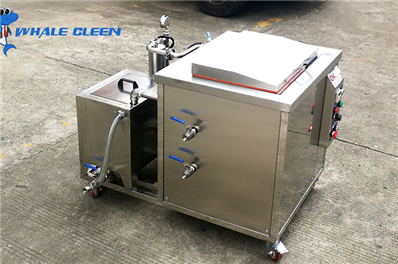 Ultrasonic Cleaning Equipment: The Preferred Tool for Precision Instrument Cleaning
Precision instruments, such as medical devices, laboratory equipment, and delicate electronic components, require meticulous cleaning to maintain their functionality and accuracy. These instruments are often made from sensitive materials and feature intri
-
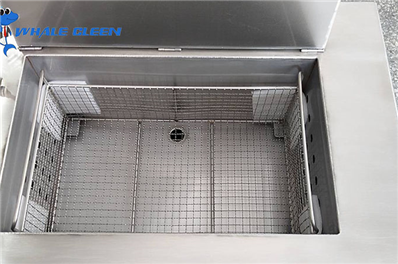 Advancements and Applications of Ultrasonic Cleaning Machines in the Defense Industry
Ultrasonic cleaning machines have found widespread applications in the defense industry, providing efficient and reliable solutions for cleaning and maintenance of military equipment. Their non-contact, high-performance cleaning capabilities make them ide
-
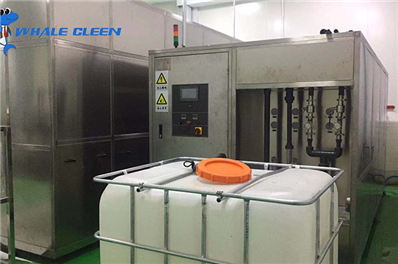 Ultrasonic Cleaning: Precision Restoration of Artifacts and Industrial Components
Deep cleaning has emerged as a crucial aspect in various industries, and one of the advanced techniques employed is ultrasonic cleaning. This method utilizes high-frequency sound waves to generate microscopic bubbles that implode, producing powerful clean
-
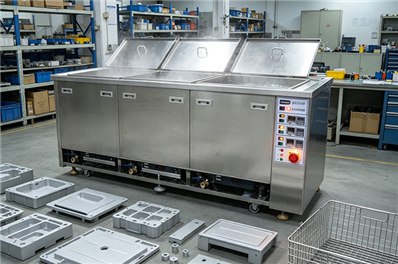 Ultrasonic Electrolytic Cleaning for Molds: Eliminate Gas Coke and Toner Residue That Causes Yellowing and Flow Marks
The Persistent Mold Contamination Problem In injection molding, the mold is the heart of production. But over time, even the best-maintained molds accumulate stubborn contaminants that no amount of wiping or solvent dipping can fully remove. Two of the
-
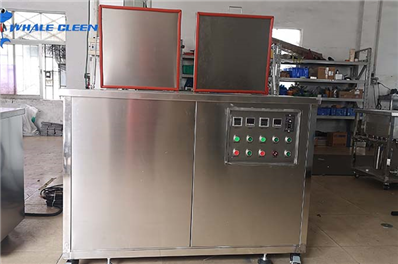 Production Capacity Stuck Because Cleaning Is Too Slow? Don't Let Your Cleaning Line Become the Factory's Bottleneck
Every production manager knows the feeling. You've optimized the machining center. You've streamlined assembly. You've even fine-tuned packaging. But somewhere in the middle of your production line, there's a bottleneck that no amount of s
-
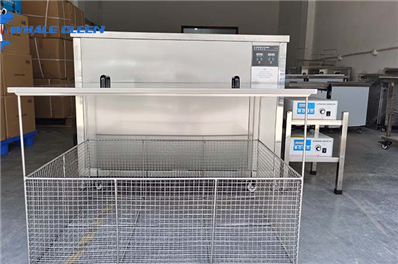 Non-Standard Workpieces with Unique Dimensions? Can’t Find the Right Equipment? A 20-Year Master Technician Specializes in Solving Every “Cleaning Challenge”
Every manufacturing engineer knows the feeling. You’ve sourced the perfect material, invested in precision machining, and built a production workflow that delivers quality. Then comes the cleaning stage—and suddenly, everything grinds to a halt.The part d
-
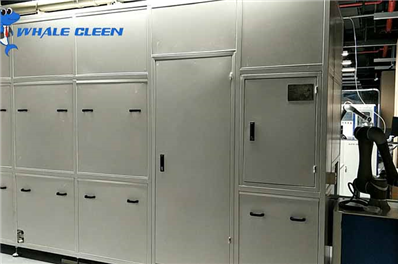 The Cost Trap: Why Your Ultrasonic Cleaning Machine Investment May Be Backward
Why do some manufacturers spend $30,000 on equipment and only $3,000 on maintenance over its lifetime—while you seem to have spent the opposite?If this scenario sounds painfully familiar, you are not alone. Many industrial buyers fall into a common trap:
-
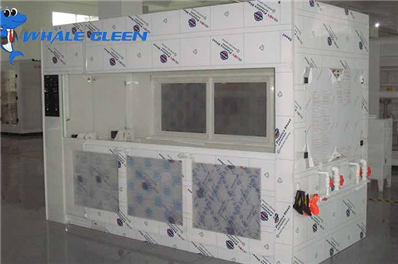 From Single‑Tank to Fully Automated: Where Is the Ceiling for Industrial Ultrasonic Cleaning Machines?
For decades, industrial cleaning was viewed as a necessary but straightforward step—a single tank of solvent, some ultrasonic waves, and a rinse. But as manufacturing tolerances have tightened and component complexity has increased, the question has shift
-
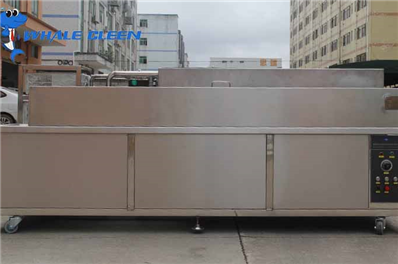 Blind Spots and Dead Corners Causing Customer Complaints? Don’t Let Incomplete Cleaning Ruin Your Entire Order
In precision manufacturing, there is one mistake that buyers rarely forgive: contamination hidden where it shouldn’t be. You may have delivered parts on time, met all dimensional specifications, and passed visual inspection—but if a customer discovers res
-
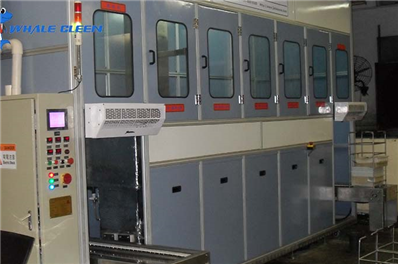 20+ Years Deep in Industrial Cleaning: Specializing in Non‑Standard Customization to Conquer the “Last Mile” of High‑Difficulty Cleaning for Thousands of Manufacturers
The “Last Mile” Problem in Industrial CleaningIn manufacturing, the last mile is often the hardest. You can have a world‑class production line, precision CNC machining, and rigorous quality control—but if a single component carries microscopic contaminati
-
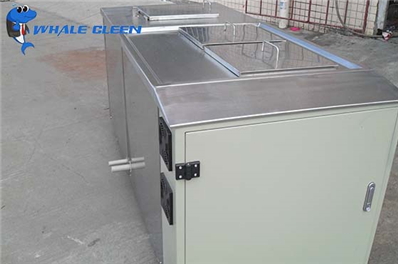 Why Do Ultrasonic Cleaners Use 28kHz Frequency? The Science Behind the Power Setting
When shopping for an ultrasonic cleaner, you'll quickly encounter a key specification: frequency. Among the most common options is28kHz. This number isn't arbitrary; it represents a deliberate engineering choice that makes this frequency a powerho
-
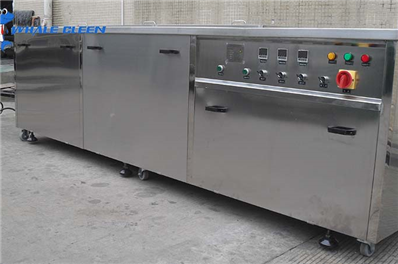 Why Do Ultrasonic Cleaners Have Multiple Cleaning Stages? The Science Behind the Process
Ultrasonic cleaners are widely used in industries such as manufacturing, healthcare, jewelry, and automotive for their ability to clean intricate items with precision. However, many users wonder why these machines often involve multiple cleaning stages in